

Buying Guides
Outboard Shaft Length: How to Measure and Choose Correctly
Sep
Getting the outboard shaft length right matters more than almost any other spec on the listing. Two engines can share a brand, a horsepower figure and a price, and still be wrong for your boat because one has a 15-inch leg and the other a 20-inch one. So measure before you order.
What outboard shaft length actually measures
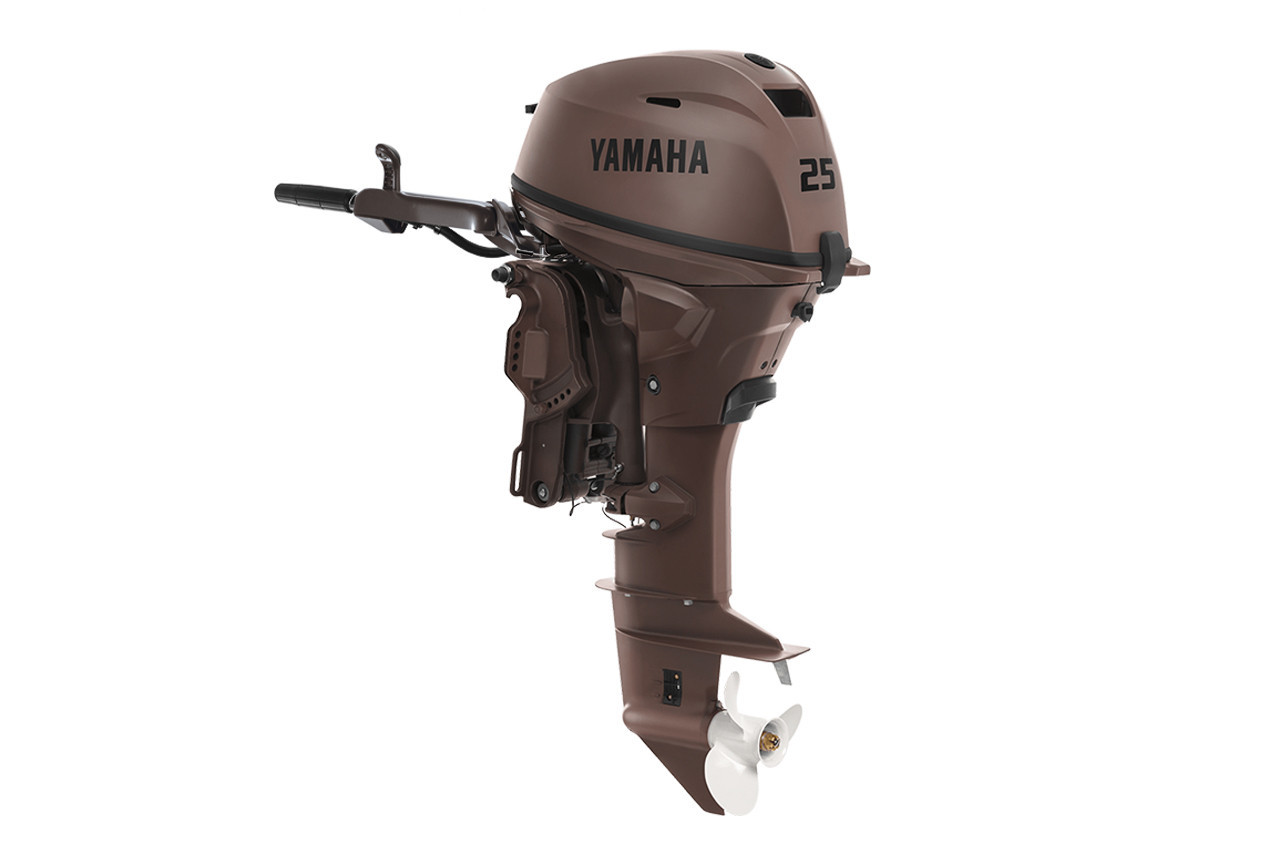
Shaft length is the distance from the top of the mounting bracket, where the engine clamps to your transom, down to the anti-ventilation plate. That is the flat fin sitting just above the propeller. It is not the total height of the engine, and it is not measured to the prop itself.
Manufacturers round these figures into standard sizes. As a result, you will see the same four numbers across almost every brand we stock.
- 15 inch — short shaft, often written S
- 20 inch — long shaft, written L
- 25 inch — extra-long, written XL or X
- 30 inch and up — offshore and multi-engine rigs, written XX
Those letters usually sit inside the model code. For example, a code ending in L tells you the leg before you read a single line of the spec sheet.
How to measure your transom
You need one number, and a tape measure gets it in under a minute. Measure from the top edge of the transom, at the centreline, straight down to the lowest point of the hull directly below.
Take the measurement vertically, not along the angle of the transom. Otherwise you will read an inch or two too long. Then match that figure to the nearest standard size.
A 15-inch reading wants a short shaft. Likewise, a 20-inch reading wants a long shaft. Most single-engine boats land cleanly on one of the two.
Why the wrong outboard shaft length hurts
Fit a leg that is too short and the propeller sits too high. Consequently it pulls air down from the surface instead of biting water, which is called ventilation. The engine revs freely, the boat stops accelerating, and the problem gets worse in turns and in chop.
A short leg also sits the powerhead lower relative to the water. Following seas can therefore push water over the transom before you notice.
Fit a leg that is too long and nothing sounds wrong, but the gearcase drags. You lose top speed, you burn more fuel, and the lower unit hangs further into whatever you run over. On shallow rivers that matters a great deal.
Where the simple rule stops working
Jack plates, setback brackets and pods all move the engine up, back, or both. Therefore the shaft length your transom measurement suggests may no longer be the right one.
Sailboats are another exception. A sailboat transom sits high and the hull pitches, so most auxiliaries want a long or extra-long leg even on a small boat.
Twin and triple installations add their own rules. Send us a photo of the transom in those cases and we will tell you what fits.
Before you order
Have three things ready when you contact us: your transom measurement, whether you steer by tiller or remote, and your delivery address. Then we confirm the model code, check the engine is physically in stock, and quote tracked freight.
Nothing ships until you approve the invoice. As a result, a mismeasured transom becomes a five-minute conversation rather than a return.
Browse engines by leg: 15" short shaft, 20" long shaft, 25" extra-long and 30" offshore. Alternatively, start with our US buying guide. Meanwhile, the National Marine Manufacturers Association publishes background on boat and engine standards.
